Roll-off dumpsters are such a common part of our modern landscape that it’s easy to assume they’ve always been around. We see them everywhere—at construction sites, behind restaurants, and in driveways during a big home cleanout.
Have you ever wondered where these large metal bins came from? They have a surprisingly interesting backstory. Read on as we explore all about the history of roll-off dumpsters, from their early beginnings to the versatile containers we rely on today.
Sanitation, industrial growth, and the need for better waste management drove their development. The story begins with a family of entrepreneurs who saw a problem and decided to invent a solution that would change waste management forever.
The Birth of the Modern Dumpster
Before the 20th century, waste disposal was a messy, disorganized affair. People threw trash into streets, alleys, or communal pits, which created serious public health concerns. Early collection methods involved horse-drawn carts and manual labor, a system that was both inefficient and unsanitary. As cities grew and industrialization boomed, the need for a more systematic approach became obvious.
The Dempster Brothers’ Innovation
The story of the modern dumpster starts in the 1930s with the three brothers in Knoxville, Tennessee. George Dempster and his brothers, Thomas and John, ran a construction company and were constantly frustrated by the slow and labor-intensive process of hauling away debris. They knew there had to be a better way than loading waste onto trucks by hand, one shovel at a time.
They created a simple yet revolutionary concept: a standardized, detachable container that crews could leave at a job site, fill with waste, and then lift mechanically onto a truck. This idea led to the creation of the “Dempster-Dumpster” system, which they patented in 1935. The name “Dumpster” was a portmanteau of their family name, Dempster, and the word “dump.”
Early Designs and Function
The first Dempster-Dumpster system was a front-loading container. A truck equipped with a special hydraulic lifting mechanism could pick up the container from the front, hoist it over the cab, and empty its contents into the truck’s bed.
This system dramatically increased the efficiency of waste collection. A single driver could now service multiple containers in the time it previously took a whole crew to empty just one location by hand.
This innovation was a game-changer for commercial and industrial businesses. Factories, restaurants, and large apartment buildings could now manage their waste more effectively. The Dempster brothers’ invention quickly gained popularity, and their company, Dempster Brothers, Inc., became a leader in the waste management industry.
The Evolution to Roll-Off Systems
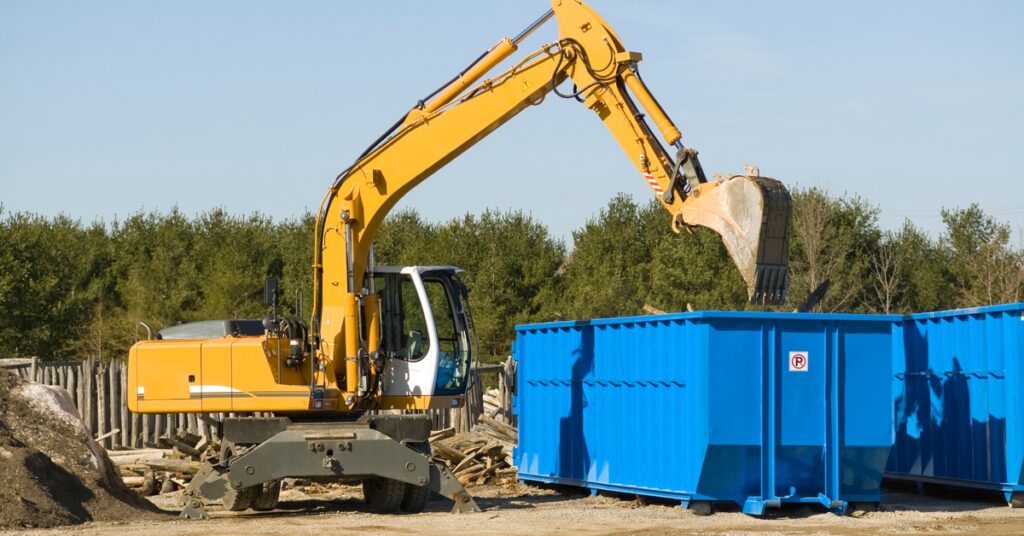
The original front-loading dumpster was a massive improvement, but it had its limitations. The containers were relatively small by today’s standards and were not ideal for the enormous amounts of debris generated by large-scale construction or demolition projects. This led to the next major evolution in dumpster technology: the roll-off system.
A Need for Greater Capacity
As the post-war construction boom surged in the 1950s and 60s, the demand for larger waste containers grew. Demolition crews and builders needed a way to handle tons of concrete, wood, and metal debris without constantly having to empty smaller dumpsters. The industry responded by developing larger, open-top containers that could be “rolled off” a truck chassis and left on-site.
How Roll-Offs Work
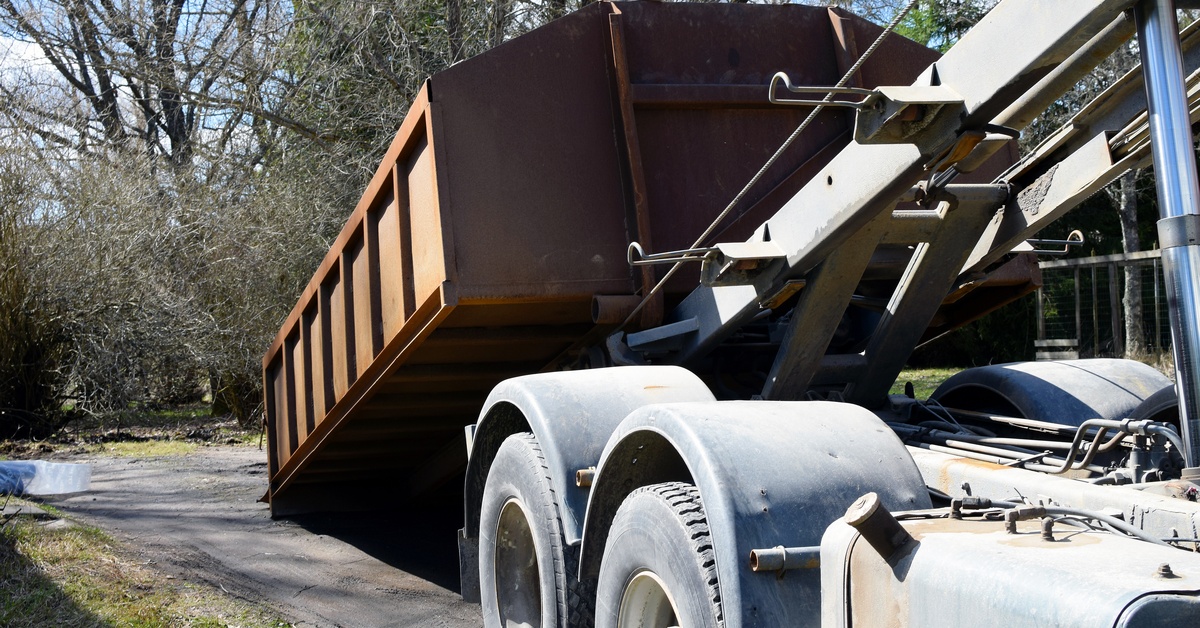
The roll-off system uses a truck equipped with a hydraulic hoist and a cable or hook-lift system. The driver backs the truck into position, tilts the truck bed, and uses the mechanism to slowly slide the dumpster off the back and onto the ground.
The container rests on steel wheels or “rollers,” which is where the name “roll-off” comes from. Once the dumpster fills, the driver reverses the process: the truck returns, hooks onto the container, and pulls it back onto the chassis for hauling to a landfill or recycling facility.
This system allowed for much larger container sizes, with capacities ranging from 10 to 40 cubic yards. It offered unparalleled convenience for large projects, as construction crews could swap out a full dumpster with an empty one with minimal downtime. The roll-off dumpster quickly became the standard for the construction, demolition, and industrial sectors.
The Modern Roll-Off Dumpster
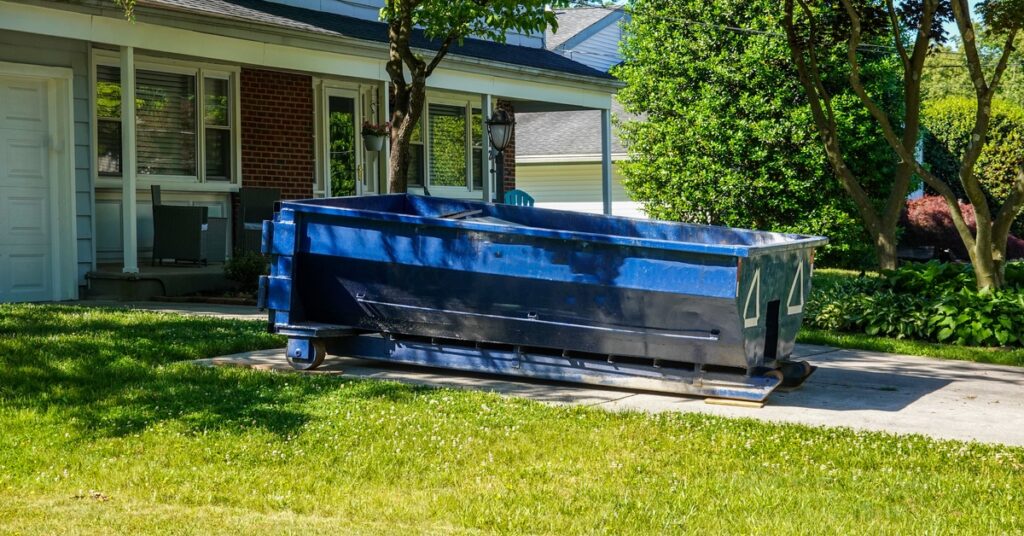
Today, roll-off dumpsters are an indispensable tool for a wide range of applications. Their design has been refined over the decades to enhance safety, durability, and functionality. Modern dumpsters are built from heavy-duty steel to withstand the toughest jobs and often feature a large door at one end, which allows for easy walk-in loading of heavy or bulky items.
Versatility in Use
While they remain a staple on construction sites, roll-off dumpsters are now used for many other purposes. Homeowners rent them for major decluttering projects, home renovations, and landscaping jobs. Businesses use them for managing large volumes of commercial waste, and event organizers rely on them for clean-up after festivals and large public gatherings.
Specialization and Customization
The industry has also seen a rise in specialized dumpsters designed for specific types of waste. There are containers built specifically for heavy materials like concrete and dirt, which are designed to be smaller to prevent overloading.
Manufacturers design other dumpsters for recyclables, with features to help separate materials. This specialization reflects a growing awareness of responsible waste management and the need to divert materials from landfills.
Your Partner in Waste Management
The journey from horse-drawn carts to the efficient roll-off systems of today shows a remarkable progression in sanitation and logistics. The simple idea of a detachable waste container has had a profound impact on how we build, clean, and live. So, the next time you see a roll-off dumpster, you’ll know a bit more about its origins. It’s not just a metal box; it’s the result of decades of innovation.
From its humble beginnings, the dumpster has become a crucial part of modern life. We hope this look at the history of roll-off dumpsters gives you a new appreciation for this everyday workhorse.
If you’re looking for efficient and reliable dumpsters to rent in Albany, New York, look no further than CR Dumpstars! We provide a variety of dumpster sizes to fit your specific project needs, whether you’re tackling a home renovation, cleaning out your garage, or managing a larger construction job. Our team is here to make the process smooth and hassle-free from start to finish. Contact us today and let us help you get the right dumpster for the job!
Leave a Reply