Embarking on a roofing project means you’re about to generate a lot of waste, from old shingles to underlayment and other debris. Handling this mountain of materials can be a real headache if you don’t have a plan. That’s where a dumpster rental comes in. Knowing what to expect when renting a dumpster for a roofing project can make the entire process smoother, helping you stay on schedule and on budget.
This guide will walk you through the entire dumpster rental process for your roofing job. We’ll cover everything from selecting the right size and understanding pricing to preparing for delivery and managing the pickup.
Choosing the Right Dumpster for Your Roof
The first step in the process is selecting the appropriate dumpster for your specific needs. This involves more than just picking one at random; it requires some calculation and forethought.
Understanding Dumpster Sizes
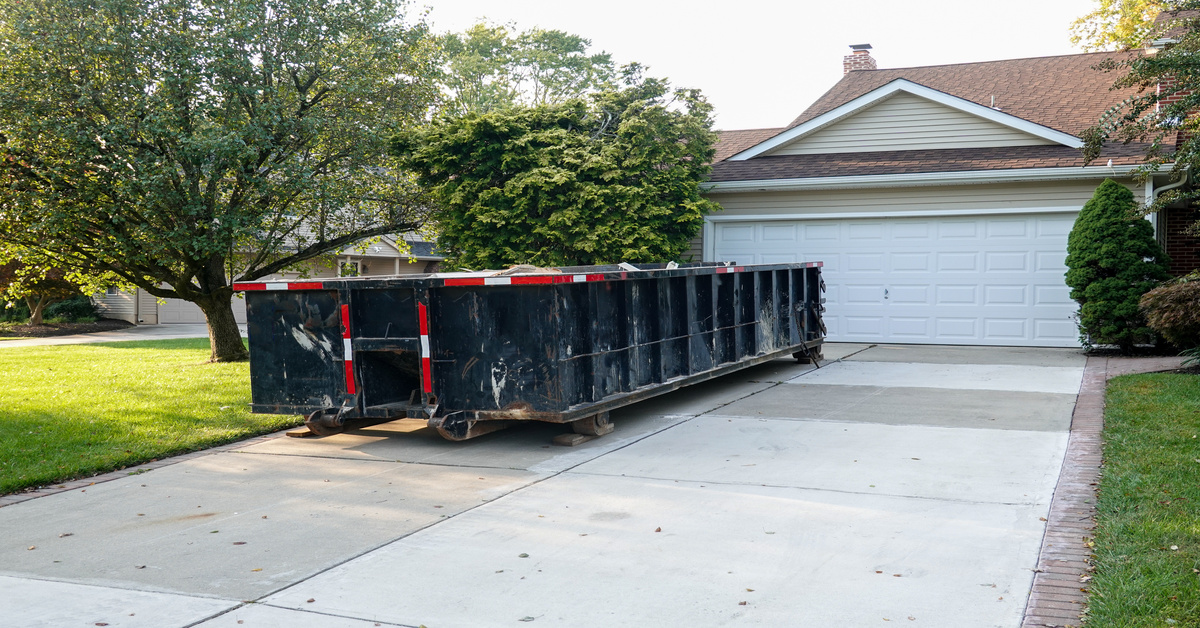
Dumpsters are measured in cubic yards, which indicates their volume capacity. For most residential roofing projects, dumpsters in the 10- to 20-yard range are usually sufficient. A 10-yard dumpster can typically hold the debris from a smaller roof, while a 20-yard dumpster is better suited for larger homes or more extensive tear-offs.
To figure out what you need, you’ll want to consider the total square footage of your roof. Roofing materials are often measured in “squares,” where one square equals 100 square feet. A 10-yard dumpster can generally handle about 25 to 30 squares of asphalt shingles, which is adequate for many standard-sized homes. If your roof is larger or involves multiple layers of shingles, a 20-yard dumpster provides a safer bet.
Considering Weight Limits
Every dumpster rental comes with a specific weight limit. Roofing materials, especially asphalt shingles, are surprisingly heavy. Exceeding the weight allowance can result in extra fees, so it’s a good idea to estimate your debris’s weight beforehand. A single square of asphalt shingles can weigh between 150 and 240 pounds.
When you contact a rental company, let them know you’re working on a roofing project. They have experience with this type of debris and can help you choose a dumpster with a suitable weight limit for your job.
The Rental Process and Pricing
Once you have an idea of the size you need, the next phase is to understand the rental agreement and pricing structure. This will help you budget accurately and avoid any confusion.
How Pricing Is Determined
Dumpster rental pricing is typically based on several factors. These include the size of the dumpster, the length of the rental period, the weight of the debris, and your location. Most companies offer a flat-rate fee that covers delivery, pickup, and a specific weight allowance for a set number of days.
It’s wise to get quotes from a few different local companies. When you call, be prepared to provide details about your project, including the type of roofing material you’re removing. This will help them give you a more accurate estimate. Additionally, ask about any potential extra charges, such as overage fees for exceeding the weight limit or daily fees for keeping the dumpster longer than planned.
Scheduling Delivery
After you’ve selected a company and agreed on a price, you’ll need to schedule the delivery. Try to book your dumpster a few days in advance, especially during busy seasons like spring and summer. This gives the company time to coordinate its schedule and provides you with a buffer in case your project timeline shifts.
You will need to provide a specific delivery date and discuss where you want the dumpster placed. Clear communication at this stage helps the delivery go smoothly and positions the container exactly where you need it for easy access.
Preparing for Dumpster Delivery
Proper preparation is crucial for a successful dumpster delivery. A little bit of planning ensures the truck can access your property safely and place the dumpster without causing any damage.
Clearing the Drop-Off Area
You’ll need a clear, flat, and accessible spot for the dumpster. A driveway is often the best location, but you could also use a designated spot on your lawn if necessary. Measure the area to confirm there’s enough space not just for the dumpster itself, but also for the delivery truck to maneuver.
Remove any obstacles, such as cars, basketball hoops, or gardening equipment, from the area. Also, look up and check for low-hanging tree branches or power lines that could obstruct the truck’s path. A clear path prevents delays and potential damage to your property.
Protecting Your Property
The weight of a dumpster, especially one filled with heavy roofing materials, can damage your driveway or lawn. To prevent this, lay down large plywood boards where the dumpster will sit. This distributes the weight more evenly and creates a protective barrier between the steel container and your property’s surface.
Some rental companies may offer this service or use their own methods to protect surfaces. It’s a good idea to discuss this with them when you schedule your delivery so that you know what to expect and what preparations you need to make.
Loading and Pickup
With the dumpster in place, it’s time to start filling it up. Following a few simple guidelines during this stage will make the final pickup seamless.
How To Load Your Dumpster
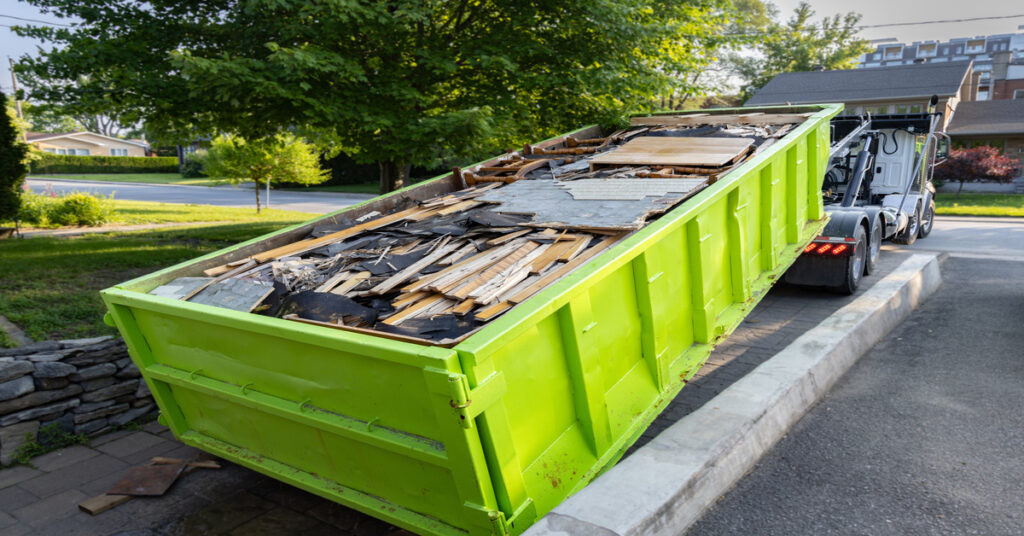
Load the dumpster as evenly as possible. Start by placing heavier materials at the bottom and distributing them across the container. Avoid piling everything into one spot, as this can make the dumpster unstable and difficult to transport.
Also, be careful not to overfill the dumpster. Debris should not extend above the container’s top rim. Overfilled dumpsters are a safety hazard during transport, and drivers may refuse to pick them up or charge an extra fee to rearrange the contents.
Arranging the Pickup
Once your roofing project is complete and the dumpster is full, call the rental company to schedule pickup. Just like with delivery, give them some advance notice to ensure they can fit you into their schedule.
Make sure the area around the dumpster is clear of any obstructions that could interfere with the pickup truck. Once the dumpster is gone, you can clean up any remaining debris and enjoy your new roof without any leftover mess.
Navigating Waste Management
A roofing project is a serious undertaking, but managing the waste doesn’t have to be complicated. By planning ahead and understanding the rental process, you can handle debris disposal like a pro.
Knowing what to expect when renting a dumpster for a roofing project empowers you to keep your work site clean, safe, and efficient. With the logistics of waste management taken care of, you can concentrate on what really matters: completing your roofing project to the highest standard.
CR Dumpstars provides convenient, reliable dumpster rental in Albany, New York, for all your cleanup needs. Whether you’re tackling a roofing renovation, clearing out clutter, or managing construction waste, we’ve got the perfect solution to make your project stress-free. Give us a call today!
Leave a Reply