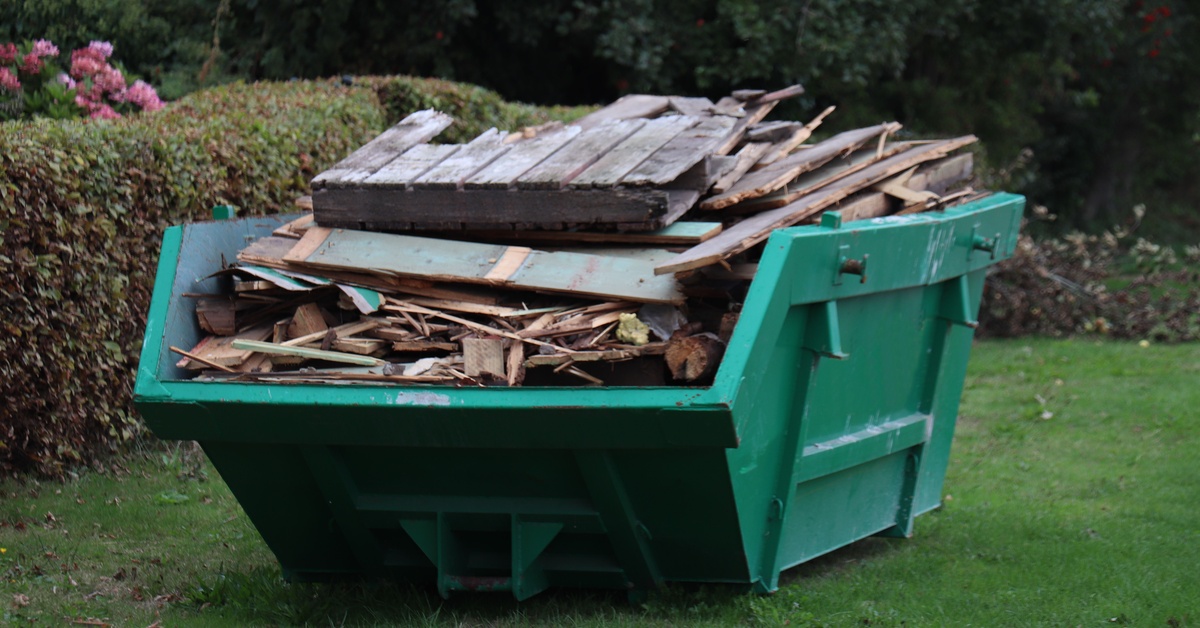
Renovations and cleanouts generate a surprising amount of debris. You start with a plan to tidy up the garage or remodel the kitchen, and suddenly you have a mountain of drywall, wood, and broken furniture. Renting a dumpster is the most logical step to manage the mess.
However, simply throwing things over the side of the bin is rarely the best approach. Haphazard loading wastes valuable space, creates safety hazards, and might even result in extra fees if the container becomes too heavy or overflowing. You want to get the most value out of your rental while keeping the process safe for everyone involved. That is why we have compiled these bin loading tips for safer, smarter waste disposal.
Laying the Groundwork
Everything depends on how you start. The way you place the first few items dictates how much you can fit and how stable the load will be during transport.
Start With the Heavy Items First
Gravity plays a massive role in waste disposal. You should always place your heaviest, flat items at the very bottom of the container. Think about appliances, large pieces of furniture, or heavy renovation debris, such as concrete and tiles. Placing these items on the dumpster’s deck keeps the center of gravity low.
A low center of gravity makes the bin much more stable when the truck driver lifts it onto the vehicle. If you load light items first and pile heavy concrete on top, the load becomes top-heavy and dangerous to haul.
Distribute the Weight Evenly
Balance is also as important as keeping weight low. You need to spread the heavy debris across the entire dumpster floor rather than piling it in one corner or at one end. A lopsided load creates a serious headache for the driver.
It puts uneven strain on the truck’s suspension and the hoist mechanism. In severe cases, a driver might refuse to take a bin that is dangerously unbalanced until you redistribute its contents. Spread the weight out from left to right and front to back to keep the hauling process smooth.
Maximizing Your Volume
You are paying for the space inside the bin, so you should use every cubic yard effectively. Air pockets are your enemy when renting a dumpster.
Break Down Bulky Items
Furniture and large debris take up a deceptive amount of room. A kitchen table, for instance, takes up a lot of space if you toss it in whole. However, if you take the legs off and lay the tabletop flat, it takes up a fraction of the space. The same logic applies to cabinets, shelving units, and large cardboard boxes.
Spend a few minutes with a hammer or screwdriver to disassemble these bulky items. Flattening them allows you to stack debris much like bricks in a wall, creating a dense, efficient load.
Fill in the Gaps
Even with careful stacking, you will end up with small gaps between larger items. Use these voids to your advantage. Smaller debris, such as loose drywall, tiles, or general household trash, serves as excellent filler material.
Toss these smaller items into the spaces between furniture or around appliances. This approach creates a solid, compact load and prevents items from shifting around while the truck is moving. A tighter load is a safer load, and it guarantees you get your money’s worth out of the rental size you chose.
Respecting the Fill Line
Every dumpster has a rim, and that rim exists for a reason. One of the most common mistakes people make is overfilling the bin, thinking they can squeeze in just one more bag.
Keep Debris Level
Safety regulations prohibit drivers from hauling dumpsters that are filled above the top rail. Debris that protrudes above the top cannot be safely tarped. Without a tarp, rocks, wood, and trash can fly out while the truck travels down the highway. This poses a severe risk to other drivers and pedestrians.
If your bin is overflowing, the driver will likely leave it behind and ask you to remove the excess junk. This delays your project and adds unnecessary frustration. Try to keep all the waste level with or below the rim of the container.
Avoid the Pyramid Effect
Many people stand in one spot and throw trash into the center of the bin, creating a large pyramid of waste. While the sides may be empty, the pyramid’s peak often exceeds the fill line.
This creates the same tarping issue as a generally overfilled bin. You should physically enter the dumpster (safely) or use a long object to push the debris into the corners. Flattening the pile lets you fit more material without breaking the height rules.
Prioritizing Personal Safety
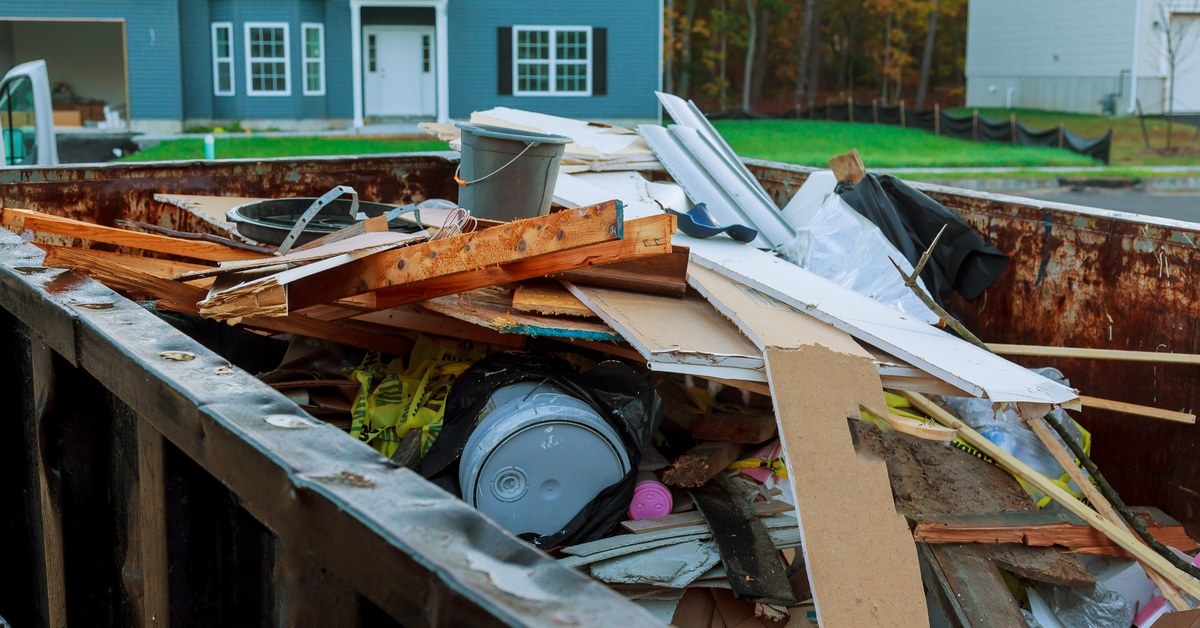
Loading a dumpster involves handling heavy, sharp, and dirty materials. Protecting yourself and your property is paramount throughout the process.
Use the Walk-In Door
Most larger dumpsters come equipped with a swinging door on one end. Utilizing this door is much smarter than trying to heave heavy objects over the high walls of the bin. Attempting to lift a heavy sofa or a bag of concrete over your head to clear the side wall is a recipe for back injuries and shoulder strain.
Open the door and walk the heavy items directly into the container. This allows you to place them precisely where you want, aiding the weight distribution we discussed earlier.
Watch for Hazardous Materials
Mixing hazardous waste with general trash creates complications at the landfill. You must keep dangerous items out of the dumpster. This includes items such as car batteries, tires, liquid paint, asbestos, and harsh chemicals.
If these items end up in the load, the disposal facility may charge exorbitant contamination fees or reject the load entirely. Keep these items separate and dispose of them in accordance with your local hazardous waste guidelines. Keeping the load clean keeps the cost down and protects the environment.
Closing Thoughts on Efficient Disposal
Taking a methodical approach to loading your dumpster saves you time, money, and physical strain. It transforms a chaotic chore into a manageable task. By placing heavy items low, breaking down bulky furniture, and respecting the fill limits, you maximize your rental’s value and ensure a smooth pickup. Remember these bin loading tips for safer, smarter waste disposal when it is time to clear out the clutter.
Are you searching for a dependable junk removal company in Albany, New York? Look no further than CR Dumpstars! Whether you’re clearing out clutter from your home, tackling a big renovation project, or simply need a hand with hauling away unwanted items, we’ve got the tools, expertise, and commitment to make the process quick and hassle-free. Let us take the stress out of junk removal so you can enjoy a cleaner, more organized space today!
Leave a Reply