A roll-off container makes cleanup feel much more manageable until placement rules become an unexpected problem. When someone wonders what a roll-off container permit is and why it matters, the real answer usually comes down to a simple detail: where the container will sit and how that affects public space. Read on as we break it down in a clear, practical way so the project stays on track, the budget stays predictable, and there are no last-minute surprises.
The Basics of a Roll-Off Container Permit
A permit is basically the city’s way of saying, “This container can sit here for this long.” That’s why placement matters more than the container itself.
What the Permit Is and What It Allows
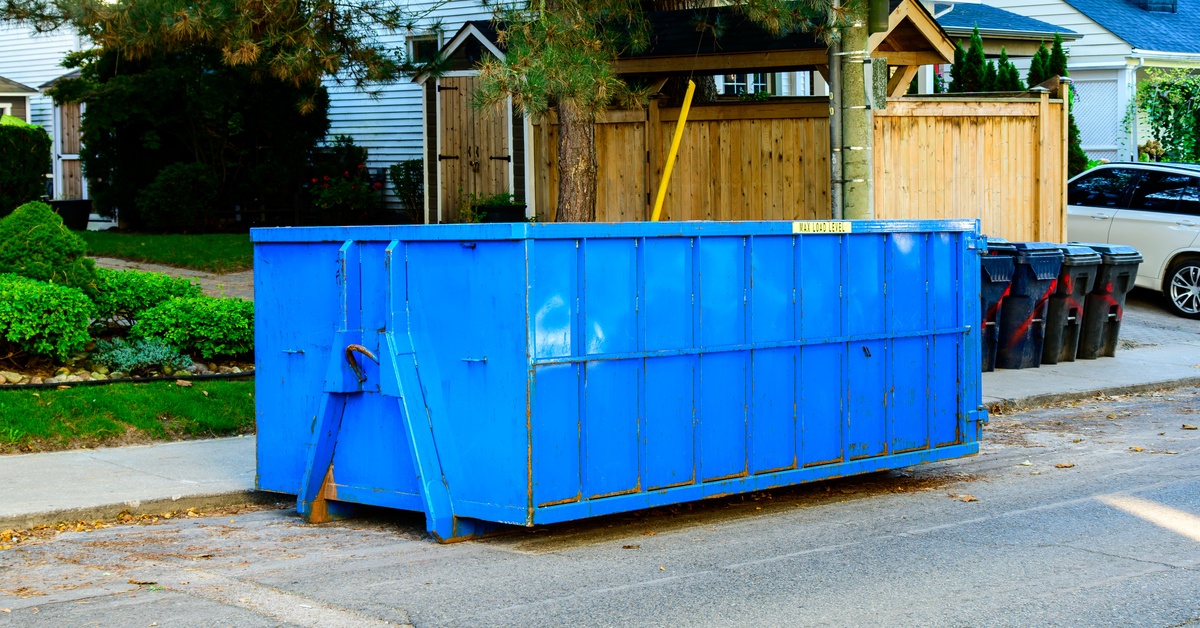
A roll-off container permit is approval from a city or local agency that lets a dumpster-style container sit in a specific spot for a specific amount of time. It usually applies when the container is in a public right-of-way, such as a street, curb lane, alley, or sidewalk.
The permit often lists the allowed dates, the exact placement, and safety requirements. Most importantly, it gives a clear green light that the container belongs there.
Who Issues Permits and Who Enforces Them
Permits are commonly handled by public works, transportation, or a local permitting office, depending on the city. Enforcement can come from code compliance, parking enforcement, or inspectors connected to nearby construction activity.
Even if a rental company drops off the container, local rules still govern where it can legally be parked. If placement blocks access or violates a setback rule, enforcement can happen fast, especially in high-traffic neighborhoods.
What’s Usually Included in Permit Conditions
Most permits focus on safety and access. Some require reflective tape, cones, or other visibility markers, especially if the container sits on a street overnight.
Others set distance rules for hydrants, intersections, driveways, and crosswalks. These details matter because approval doesn’t help much if the container violates a condition after it’s placed.

When a Permit Is Required
The permit question usually comes down to one thing: private property versus shared public space. If the container sits entirely on private property, it often avoids the need for a right-of-way permit. If it sits on a street, curb, or sidewalk, a permit becomes more likely.
Do a quick check before ordering to help avoid rescheduling the delivery, paying extra fees, or dealing with compliance visits when the project is already underway.
Street Placement
A container placed on a public street almost always triggers permit requirements because it takes up parking spaces and can affect driver visibility. Cities treat it as a temporary obstruction, so they often regulate where it can be placed and for how long.
Some areas may also require extra space near intersections, crosswalks, and bus stops. If the street is narrow, restrictions can get even tighter to protect traffic flow and emergency access.
Sidewalks and Curb Areas
Sidewalks are designed for pedestrian access, so anything that narrows or blocks them quickly becomes a safety issue. Many cities require permits if a container reduces the clear walking path, even if the container feels “close enough” to private property. Some places don’t allow sidewalk placement at all, which pushes containers into driveways or approved curb spots.
Driveway Placement
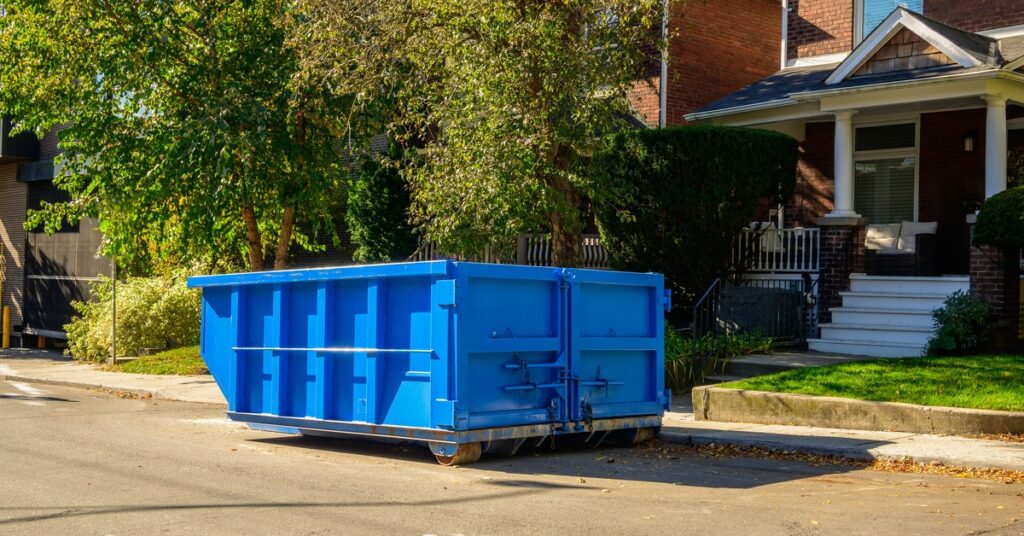
Placing the container fully on a private driveway is often the easiest way to avoid a right-of-way permit. The key is making sure it doesn’t block the sidewalk or extend into the street, since even a small overhang can count as public-space use. HOAs and property managers can also add their own rules, especially in shared communities.
Why Permits Matter to Timelines and Budgets
Permits can feel like a minor detail, but skipping a required one can create a chain reaction. Fines can stack quickly, and forced removal can stall a project at the worst time. Even if enforcement starts with a warning, the disruption can still cost money through rescheduled deliveries or extra haul charges. Getting the permit sorted out upfront keeps the container from becoming the reason a project suddenly slows down.
Tickets and Daily Fines Add Up Fast
When a container sits in a restricted spot without a permit, it can be treated like an ongoing violation, not a one-time mistake. That means fines may repeat each day until the container moves.
Some rental contracts pass those charges directly to the customer, especially if the customer is responsible for permits. Even small daily penalties can quickly become expensive, especially when a project lasts longer than the original estimate.
Forced Removal Can Derail the Whole Project
If the city orders a container removed, the cleanup plan can collapse immediately. Debris piles up, work slows, and contractors may pause if there’s no on-site legal disposal option.
Redelivery can also incur additional charges and scheduling headaches when haulers are booked out. A permit helps avoid that risk by making sure placement stays legal from the start, so the container can stay put until the job is done.
Safety and Liability Issues Can Follow Bad Placement
A container placed poorly can block sightlines at corners, narrow travel lanes, or interfere with emergency access. If it creates a hazard for pedestrians, liability questions can get complicated quickly. A permit doesn’t eliminate all risk, but it does show that placement complied with local standards and that public safety expectations were taken seriously.
Common Rules That Can Affect Placement
Permit conditions usually focus on a few recurring concerns: visibility, access, and protection of the underlying surface.
Clearance Rules Near Hydrants and Intersections
Many cities require minimum distances from fire hydrants, intersections, crosswalks, and stop signs to protect visibility and emergency access. Placement may also be restricted near driveways, alley openings, and loading zones to allow vehicles to enter and exit safely. Measuring ahead of time helps identify the best spot before a permit application is submitted, increasing the odds of approval.
Visibility and Surface Protection Requirements
If a container sits on a street, permit terms may require reflective tape, cones, barricades, or lighting to help drivers see it at night. Some cities also require boards or protective pads to reduce driveway or asphalt damage, especially in warmer weather. Meeting these requirements upfront avoids citations and prevents stressful fixes after the container is already full.
The Importance of Container Permit
A roll-off container permit keeps a project running smoothly by making placement legal, predictable, and safer for everyone nearby. It helps prevent daily fines, reduces the risk of forced removal, and keeps delivery and pickup schedules from getting disrupted.
Public-space placement usually triggers permitting, while private driveway placement often avoids it, with local exceptions. Understanding what a roll-off container permit is and why it matters protects your cleanup timeline and keeps you legally compliant.
If you’re dealing with a cleanout, remodel, or construction mess and need junk removal in Albany, New York, CR Dumpstars makes the whole process simple. You’ll get fast pickup, transparent pricing, and service that fits your timeline. Not sure whether you need a roll-off container permit? Our team can help you figure out the right setup upfront, so you avoid delays and last-minute scrambling. Reach out today for a quick quote!
Leave a Reply